With higher prices, packed schedules, and more options than ever, choosing the right grill today can feel overwhelming. From traditional charcoal to pellet smokers and electric models, there’s no shortage of ways to cook outdoors. But the best grill for you ultimately comes down to your lifestyle, budget, and cooking goals. Whether you’re squeezing in quick weeknight dinners or hosting elaborate weekend cookouts, let’s break down the options so you can grill with confidence.
What to Consider Before Choosing a Grill Fuel
Before comparing grill types, it helps to think about a few practical factors that affect day-to-day use:
- Upfront cost vs. long-term cost: Initial price is only part of the picture. Over time, ongoing expenses like fuel refills, replacement parts, accessories, and routine maintenance can significantly impact the total cost of ownership. Some grills may seem affordable at first but require frequent additional purchases, while others offer lower long-term costs through efficient fuel use.
- Ease of use and time to heat: Not all grills are equally convenient when it comes to getting started. Consider how quickly a grill reaches cooking temperature and how easy it is to adjust and maintain consistent heat. Simple ignition systems, precise temperature controls, and minimal setup can make a big difference.
- Flavor and cooking versatility: Each fuel type delivers a unique cooking experience and flavor profile. Some grills excel at producing bold, smoky flavors, while others shine when it comes to consistency and control. Think about what you like to cook most often and whether you want the flexibility to grill, roast, sear, or slow-cook a variety of foods using one setup.
- Cleanup and maintenance: Cleanup requirements vary widely depending on the grill. Ash removal, grease management, surface maintenance, and regular cleaning can affect how often and how long it takes to maintain your grill. Ongoing care affects performance and longevity, so it’s worth considering how large of a role you want cleanup and maintenance to take your grilling experience.
- Reliability: A reliable grill should perform when you need it, regardless of weather conditions, power availability, or fuel access. Some grills depend on electricity or specific conditions to operate, while others can be used almost anywhere. Considering reliability helps ensure your grill is ready for everything from quick dinners to planned gatherings without unexpected interruptions.
Propane vs. Charcoal Grills
Convenience & Ease of Use
Charcoal grills are familiar and nostalgic for many backyard cooks. They’re often seen as the traditional grilling option. However, propane grills offer a more convenient experience, with push-button ignition, easy on/easy off operation, and precise temperature control.
According to Today.com, charcoal briquettes typically take 5 – 10 minutes to reach high heat and 25 – 30 minutes to reach low-to-medium heat, depending on conditions and fuel used. Propane grills heat up faster and allow you to adjust temperatures instantly, making them easier for everyday meals.
Cleanup & Cost Considerations
Charcoal grilling comes with more cleanup, including ash removal and disposal. In addition, recurring purchases of charcoal and lighter fluid can increase long-term grilling costs. Propane grilling generally means less mess and fewer supplies to manage.
Health & Environmental Impact
Propane is widely considered a healthier grilling alternative than charcoal as it produces fewer harmful byproducts. Specifically, studies from the Consumer Product Safety Commission show that burning charcoal produces large amounts of carbon monoxide, and there is increased danger in misusing charcoal briquettes.
Propane vs. Pellet Grills
Cooking Style & Speed
Pellet grills are designed for low-and-slow cooking. They use repurposed sawdust pellets and rely on indirect heat, making them ideal for smoking meats over long periods according to Essential Home and Garden.
Propane grills, by contrast, excel at both fast, high-heat cooking and flexible temperature control, allowing you to grill everything from burgers to vegetables with ease. And propane grills can also grill low and slow with a few simple adjustments.
Cost & Accessibility
Pellet grills typically come with a higher entry price. Even smaller models often start around $200, with premium versions climbing into the thousands, according to Consumer Reports. Propane grills are available at a wide range of price points and can be found at most major retailers, making them more accessible for many households.
Cost & Accessibility
Pellet grills typically come with a higher entry price. Even smaller models often start around $200, with premium versions climbing into the thousands, according to Consumer Reports. Propane grills are available at a wide range of price points and can be found at most major retailers, making them more accessible for many households.
Power & Portability
Pellet grills require electricity to power their internal fans and digital controls, limiting where and when they can be used. Propane grills don’t rely on an external power source, giving you greater portability and reliability wherever you choose to grill.
Propane vs. Electric Grills
Convenience vs. Capability
While not as common as gas and charcoal grills, a number of barbecue enthusiasts use electricity. Electric grills offer simple plug-in convenience but depend entirely on access to electricity. Power outages, limited outlet availability, and extension cords can restrict outdoor use.
Flavor & Cooking Experience
There’s a great article from Outdoor Cooking Pros that points out other interesting differences between electric and gas grills. For example, cooking over an open flame brings out flavors that electric grills aren’t capable of.
Where Each Makes Sense
Electric grills can be a good fit for small spaces and situations where property rules restrict open flames, such as some apartment or condo balconies. Propane grills remain the go-to option for outdoor cooking, entertaining, and those who prioritize flavor and versatility.
Why Propane Continues to Be a Top Choice
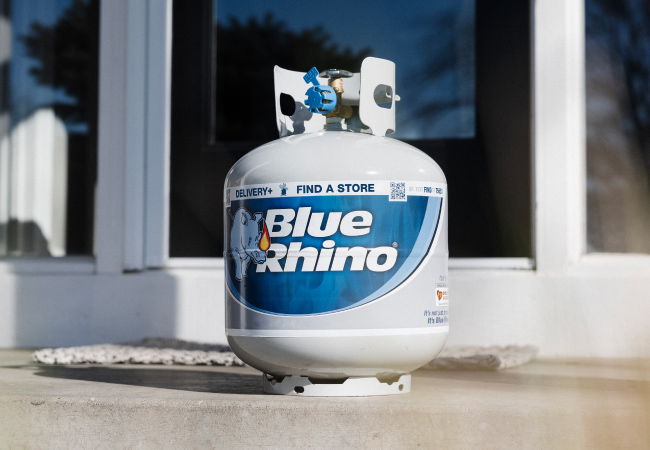
For many grillers, propane offers the best balance of cost, convenience, and performance. It’s a reliable fuel source in any season, heats quickly, and is easy to control. With thousands of Blue Rhino locations nationwide, getting a fresh tank is simple and convenient.
Propane grills are ideal for everything from quick weeknight dinners to large weekend cookouts. They’re easy to clean, easy to use, and incredibly versatile. You can cook just about anything on a gas grill, and with the right accessories, you can grill hot and fast or go low and slow. And don’t forget gas griddles, which have surged in popularity thanks to their ability to handle cooking for a crowd, meal prep, and foods that might otherwise fall through traditional grates.
Many backyard chefs own more than one type of grill to suit different occasions. But when it comes to reliability, value, and all-around versatility, propane remains a top choice. Before your next cookout, make sure you’re ready to get the grill going by picking up a fresh Blue Rhino.
Published: 2021.08.13 | Last Updated: 2026.02.26