Power outages, outdoor adventures, and emergency preparedness plans all have one thing in common: the need for reliable power. That’s one reason propane generators have become an increasingly popular option for homeowners, campers, RV travelers, and outdoor enthusiasts alike. Known for portability, cleaner-burning fuel, and longer fuel shelf life compared to gasoline or diesel, propane generators offer flexibility for a variety of situations.
Many newer portable generators are also designed as dual fuel or even tri fuel models, allowing users to switch between multiple fuel sources, including propane. That added convenience makes propane an easy and practical option for powering essential devices at home or on the go.
Types of Propane Generators
Not all propane generators are the same, and the right option often depends on how and where you plan to use it.
Portable Propane Generators
Portable propane generators are compact and designed for temporary power needs to help fuel a limited number of appliances. These generators commonly run on a standard grill tank, in addition to other fuels, and provide electricity for several hours at a time. They’re popular for camping trips, tailgating, and backup power during short-term outages. Many portable models today are dual fuel or tri fuel generators that can operate using propane alongside gasoline or natural gas.
Standby Propane Generators
Standby propane generators are larger systems permanently installed outside a home or commercial building that are often used to power the entire building. Unlike portable units, standby generators are designed to automatically restore power during an outage and can often operate for several days depending on fuel supply. These systems are typically connected to a larger stationary propane tank that may also fuel other propane appliances around the property.
Common Uses for Propane Generators
Propane generators are used in a wide range of situations where temporary or backup power is needed. During severe weather or unexpected outages, generators can help keep refrigerators, lights, internet equipment, and communication devices running. They are also commonly used for outdoor activities or at job sites where access to power is limited.
Because many propane generators are easy to transport, they provide convenient power in both planned and unexpected situations.
Why Propane Generators Are a Popular Choice
One of the biggest advantages of propane is its long shelf life. Unlike diesel or gasoline, propane does not degrade over time, making it a dependable fuel for emergency preparedness. If a generator sits unused for an extended period, propane will still be ready when it’s needed.
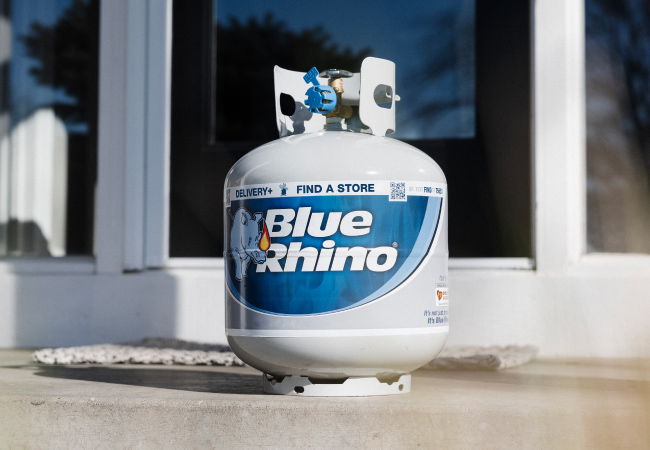
Propane is also considered a clean-burning fuel compared to diesel, which may help reduce engine buildup over time. Also, propane is readily available, so getting fuel is convenient. Whether exchanging tanks at a Blue Rhino retailer, ordering to your door through Blue Rhino Delivery+, or using Blue Rhino propane vending, access to propane is easy.
Propane generators are versatile enough to be used in a variety of weather conditions, making them a practical option for home backup power and outdoor activities.
Fueling Your Propane Generator
Before operating a propane generator, it’s important to use the propane tank size and fuel connection recommended by the manufacturer. Different generator models are designed for different fuel capacities, with some portable units connecting to standard grill-sized portable propane tanks and larger standby systems requiring larger stationary propane tanks.
It’s also important to inspect hoses, fittings, and the tank itself before use to make sure everything is secure and undamaged, including checking for leaks. Generators should always be placed outdoors in well-ventilated areas away from windows, doors, garages, and enclosed spaces.
How to Connect a Propane Tank to a Generator
Because generator models and fuel systems vary, connection procedures may differ depending on the manufacturer and generator type. Before connecting a propane tank, carefully review the manufacturer’s instructions and safety recommendations for your specific unit. Whole home systems may require a professional installer.
In general, the process involves confirming propane tank compatibility, ensuring all valves are fully closed before making connections, attaching the approved hose and regulator, and checking that all fittings are secure. After everything is properly connected, the valve can be opened slowly before following the manufacturer’s recommended startup for your specific generator model.
Avoid modifying generator fuel systems or using components that are not approved for your specific model. If you have questions, contact the manufacturer or a qualified professional.
Generator Safety Tips
Generator safety should always remain a top priority. Keep these six tips in mind every time you use a propane generator.
- Never operate generators indoors or in enclosed spaces.
- Keep generators away from windows, doors, and vents.
- Store propane tanks upright outdoors.
- Allow equipment to cool before handling or disconnecting.
- Regularly inspect hoses and connections for wear or damage.
- Follow all manufacturer instructions and safety guidelines.
Reliable Power When It Matters Most
Whether preparing for storm season, planning a camping trip, or looking for dependable backup power at home, propane generators are a reliable solution. As clean-burning, portable, and long-lasting fuel, propane continues to be a great choice for generator users.
Published: 2026.06.09